The Bankruptcy We Should All Care About
Written by: Beatrice Bos
Edited by: Lalla Masondo
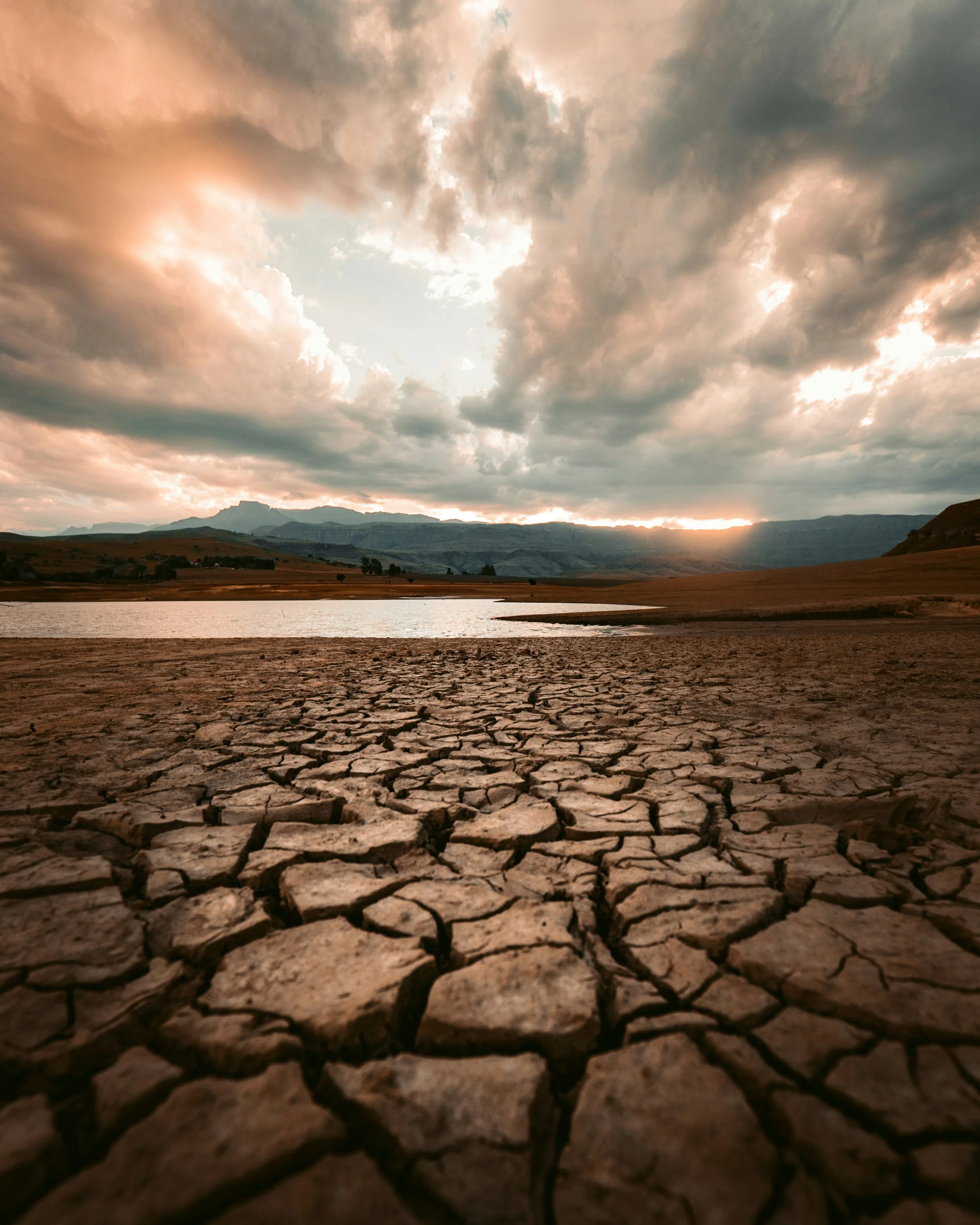
In finance, bankruptcy is declared when an individual or business has spent beyond their means for so long that they are unable to repay their debts. But what does it mean when the planet’s water systems are declared bankrupt? On January 20, 2026, the United Nations University Institute for Water, Environment and Health (UNU-INWEH) released a report warning that the planet has now entered an era of “global water bankruptcy”. While scientists have warned for decades about the possibility of a global water crisis, the report argues that it is no longer a matter of whether or not there can be a crisis. We are already facing the collapse of the global water system, and instead the Institute for Water, Environment and Health calls for the recognition of the current global situation: a post-crisis state. While the term “crisis” implies a temporary disturbance, with the expectation of recovery, the report identifies a new state of permanent damage. But what does this represent for the world, and what can be done about it?
What is water bankruptcy?
Before diving into the possible solutions, it is fundamental to gain an understanding of what the declaration of “water bankruptcy” entails. The new term is coined with the idea of redefining the way that society looks at the failure of water systems. While in the past terms like “water stress” and “water crisis” have been used, the word “bankruptcy” aims to provide a definition that is able to accurately diagnose the health of the world’s water systems. Specifically, “water bankruptcy” is defined as “a persistent post-crisis state of a human–water system in which long-term water use and claims on water have exceeded renewable water availability …causing irreversible or effectively irreversible degradation of water-related natural capital and making full restoration of previous system conditions unattainable within relevant human time scales.” The definition essentially stresses two aspects: the failure of the current systems in place and the irreversibility of many damages that our global water system has experienced. This recognition is the first step in looking ahead to solutions: by acknowledging what has failed, we can move forward with what needs to change.
Why should we care about it?
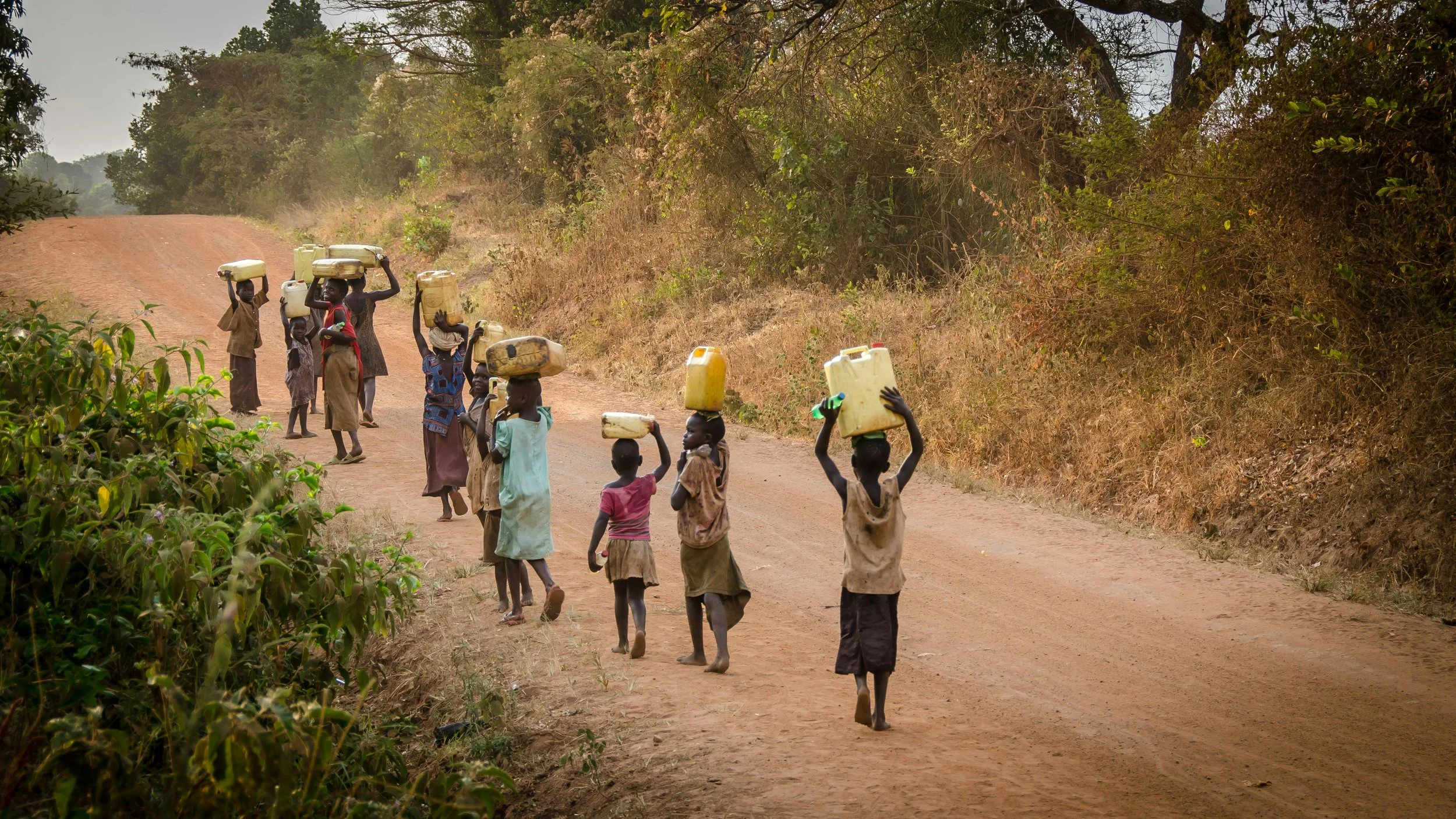
Water is a basic human need. Without water, humans and society would not exist. Currently, the degradation of our water system has an enormous impact on communities globally. Around 4 billion people -half of the planet’s population- live in communities that face severe water scarcity for at least one month per year. If nothing changes, this already significant figure is expected to grow. Over 1.8 billion people in 2022-2023 were living under drought conditions; most of the people came from middle to low-income countries (UNU-INWEH, 2026). These conditions affect both access to safe drinking water and appropriate sanitation services. According to a map published within the report, more than 20% of the populations of countries in South-East Asia, the African continent, and South America lack access to improved sanitation services (WRI, 2024). Water quality and availability also impacts food security: “agriculture accounts for over 70% of global freshwater withdrawals, providing food, employment opportunities, and stable livelihoods to billions of people.. [at the same time], 3 billion people and over half of the world’s food production are located in regions that are already experiencing, or are projected to face, declining trends in total water storage” ((UNU-INWEH, 2026). Without access to safe, clean water, our global food production systems are in jeopardy. Furthermore, the loss of our waterways and aqueous ecosystems represents an economic threat: “drought-related damages… already cost over US$307 billion per year worldwide, more than the yearly economic output of four-fifths of UN Member States” (UNU-INWEH, 2026). Water scarcity and its quality degradation are a threat to all human beings on this planet, whether the depletion of water resources affects our access to drinking water, health, our food sources, or our economies.
How did we get here?
As with many alterations in global natural resource systems, climate change has played a huge part in contributing to the current post-crisis state. Rising temperatures affect the water cycle, which is the way water moves across physical states. The water cycle is an interconnected system, changes to one part of the cycle have global repercussions. Because of this, climate change greatly contributes to altering the natural conditions of waterways and aqueous environments. Rising sea levels, melting glaciers, more severe weather such as drought and flooding have all been exacerbated by climate change and its impact on the water cycle. However, the report states that the current failure of our global water system goes beyond climate change: it is the general approach with which human society has built its systems that is no longer sustainable if we want to preserve access to safe, clean water. Nevertheless, the pace of society doesn't allow water systems to replenish at a rate that allows for a sustainable consumption of water. Pollution, runoff from agriculture, rising temperatures caused by human activity, degradation of ecosystems due to urbanization, improper disposal of waste which ends up contaminating water systems: these strains are now happening simultaneously on our water systems, and at a rate which has caused effectively irreversible damage.
What can we do?
The key idea brought forward by the report is that of “bankruptcy management”. Recognizing we have a fundamentally different type of issue implies that we must adapt differently as well. The report highlights that the current nature of all the emergency systems we have in place is founded on the idea that our “hydrological variability [is] stationary” (UNU-INWEH, 2026). This is why handling the current post-crisis state with the systems we’ve designed for a reversible type of damage isn’t working. The new framework consists of the following guiding principles: public honesty regarding the depletion of water sources, transforming our approach to development and moving towards production systems that “decouple prosperity from ever-increasing water use”, building institutions that are equipped for constant adaptations instead of brief fixes, addressing illegal and informal withdrawals of water or contamination of water, and prioritize protecting vulnerable communities and creating a just transition to different water management systems. This new strategy focuses on changing our viewpoint: it is key to shift our mindset in order to effectively address the emergency at hand. The report, which outlines with structure all the ways in which our systems have failed to protect the availability of our water, aims to provide a starting point: this is what’s happening, this is what is wrong, and this is the attitude we must adopt going forward. By following these guidelines and by recognizing the need for change, we are already halfway there.
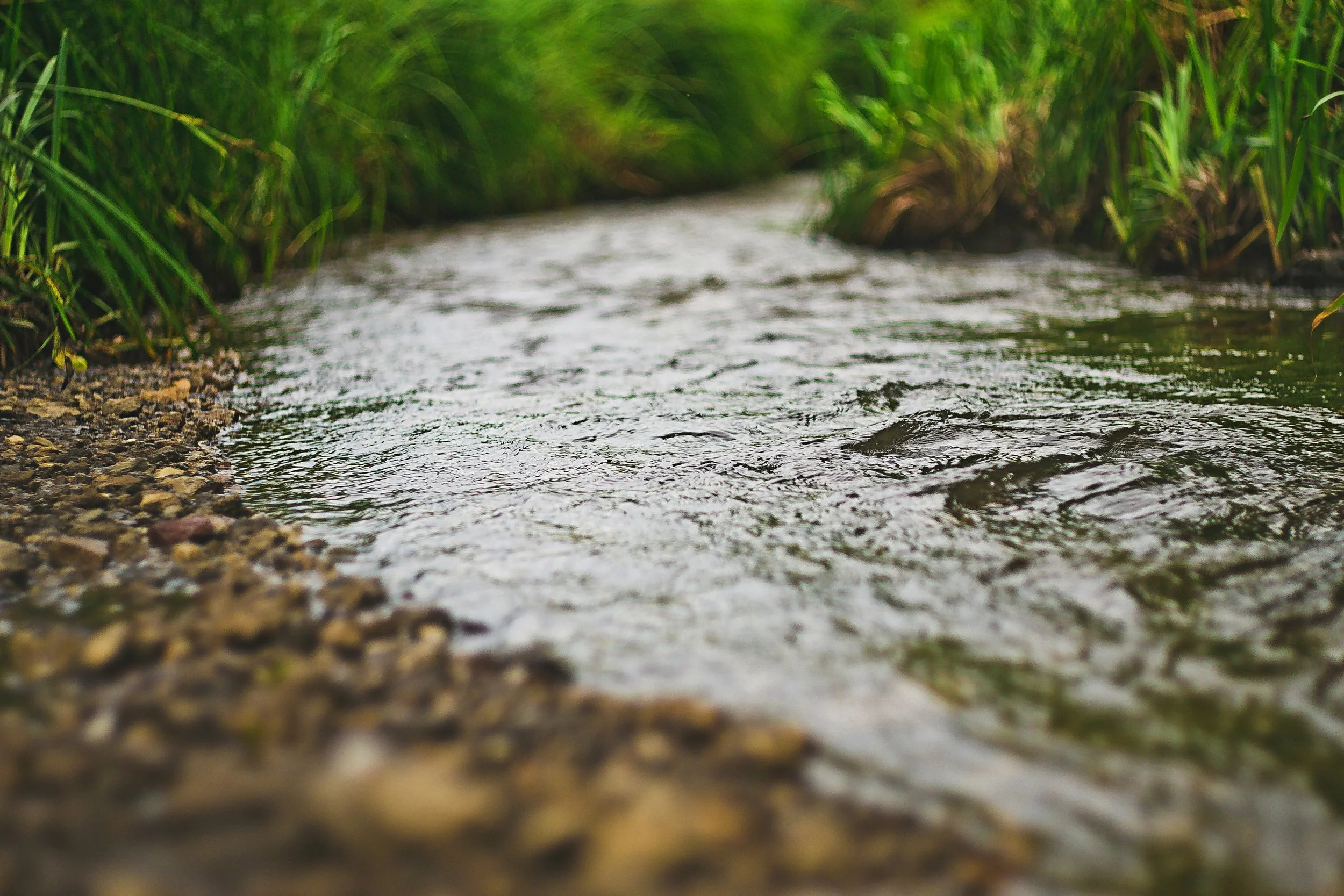
The UN report on Global Water Bankruptcy includes an overwhelming amount of worrying statistics. The recognition of the post-state crisis itself can appear to be disastrous news. However, the beauty of the report lies in the following mindset: the authors didn’t write it as a declaration of despair, but as an honest confrontation of the truth, which allows us to move with intention and direction. Without accepting and acknowledging the irreversibility of the damages, we won’t be able to adequately adapt to our new, current reality. Just because the systems we have don’t work, doesn’t mean that we won’t be able to develop new solutions which more effectively deal with the situation at hand. As a matter of fact, only by properly and accurately diagnosing the issue at hand will we be able to work together towards fixing it. “Declaring bankruptcy is both an admission of failure and the first step toward a fresh start”: our future lies in the actions we decide to take starting from today, not in the mistakes of the past.
For more information regarding the topic, see:
Tuovila, A. (2020). Bankruptcy Explained: Types and How It Works. [online] Investopedia. Available at: https://www.investopedia.com/terms/b/bankruptcy.asp.
UN News. (2026). World enters era of ‘global water bankruptcy’. [online] Available at: https://news.un.org/en/story/2026/01/1166800.
UCAR (2021). The Water Cycle and Climate Change. [online] scied.ucar.edu. Available at: https://scied.ucar.edu/learning-zone/climate-change-impacts/water-cycle-climate-change.
