Eco-Anxiety and Insecurity: Nigeria's Climate-Peace Nexus
Written by: Felicity Asibi Akwa
Edited by: Nithya Rao
Nigeria sits at the crossroads of two thunders: the roar of a changing climate and the silent scream of a people losing their footing. The Sahel does not march; it breathes, exhaling a hot, gritty hunger that swallows the green of the North. It is a slow-motion invasion where the soil turns to glass and the water retreats like a coward into the cracked earth. But as the desert expands, the space for peace shrinks. The shepherd, chased by the dust, and the farmer, guarding his wilting hope, find themselves locked in a dance of desperation. Here, the climate doesn't just change the weather; it changes the neighbor, turning ancient brotherhoods into a frantic struggle for the last blade of grass.
Nigeria is one of the countries really feeling the impact of climate change, with sea levels rising while Lake Chad is shrinking, and desertification advancing rapidly. Repeated conflicts are exacerbated by who controls the remaining available resource, hence contributing to insecurity in the region.
The Heat of Conflict: How Climate Change Threatens Peace
Climate change has led to worsening social, economic, and environmental disparities in Nigeria, a key factor in the country’s rising insecurity. This cycle has destroyed both lives and livelihoods and worsened the already severe food insecurity, which was declared a state of emergency by Nigerian President Bola Tinubu. According to the Nigerian Bureau of Statistics, the effects of flooding have also intensified existing disparities for children and young people, who are severely affected by hunger and malnutrition and face a disproportionately high 42.5 % rate of unemployment in the country.
The lack of economic opportunities and the impacts of climate change has also contributed to young people’s decision to move abroad in search of better employment opportunities. These socioeconomic disparities have far-reaching human security impacts, with youth facing pressure to participate in violence and criminality. This insecurity has also notably prevented girls from receiving consistent education, as non-state armed groups have a precedent of targeting girls who attend school.
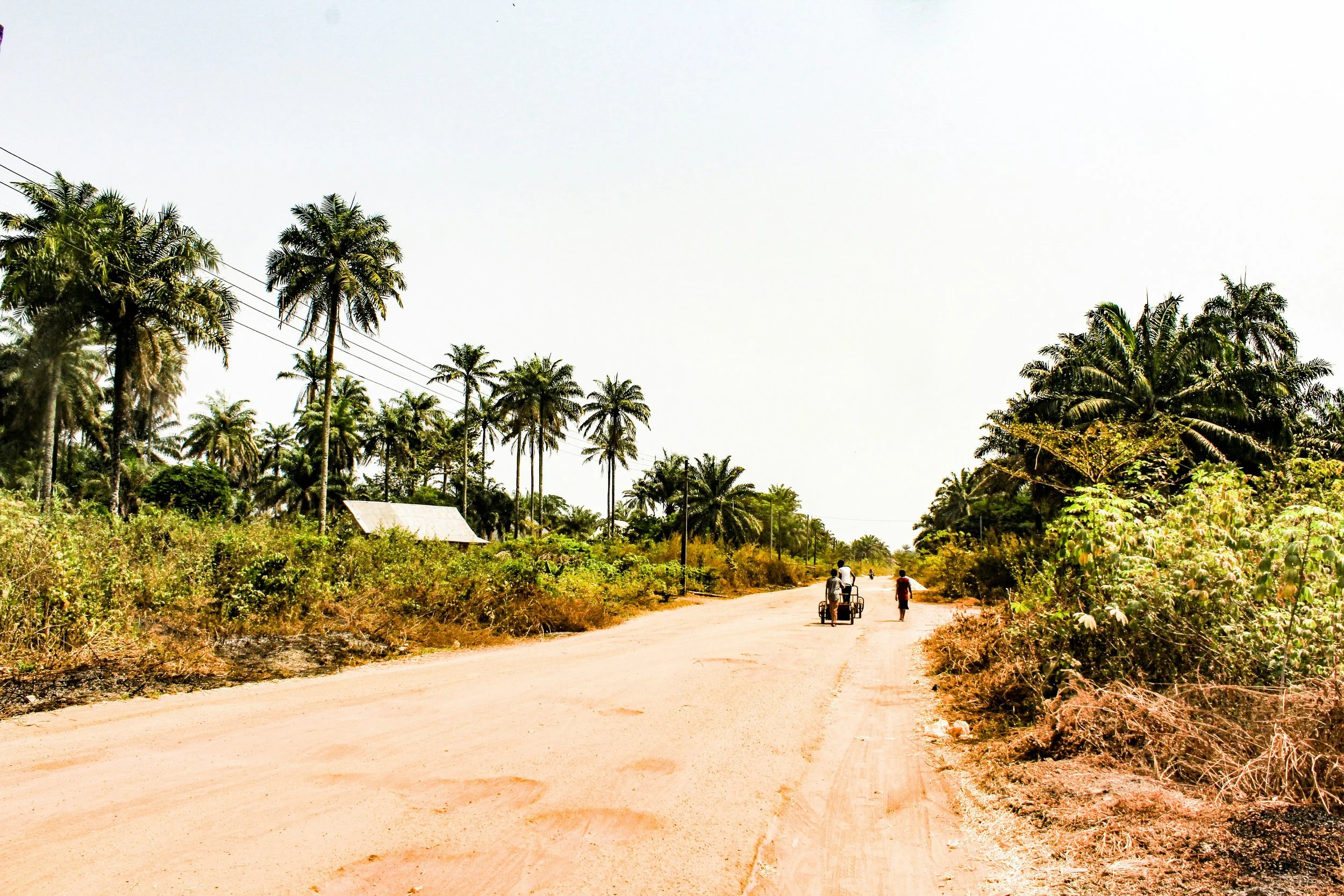
Environmental change that leads to loss of land has worsened insecurity in the Middle Belt or north-central areas. Conflict between Nigerian herdsmen and farmers dates back decades, but has escalated drastically in recent years, as climate change has become one of the major reasons driving herders south into Nigeria’s central farmland. The years-long battle over land between herdsmen and farmers in the central region known as the Middle Belt has grown dramatically. The root of the conflict lies in the forced migration, owing to drought, of herdsmen from their traditional grazing grounds, mostly in the northeast of Nigeria.
Building Climate Resilience through Adaptation and Mitigation Strategies: A Global Response
Climate adaptation involves responding to the changes induced by climate change. It involves all steps taken towards adjustment to real or unexpected changes in climate and their effects. It’s all about practicing what we can to live with changes in the climate and reduce to the barest minimum the negative effects that result from climate change.
Adaptation can be reactive or anticipatory. Where possible, anticipatory actions will provide the most cost-effective response to reduce risk. Various climate change adaptations cut across different sectors, from coastal and urban area management, natural resources management to agriculture and many more. Some strategies are:
➢ Improved engineering measure such as construction of drainage channels, elevation of infrastructure couple with abstinence from building along water ways.
➢ Reducing and recycling water use due to drought.
➢ Using prescribed fires to prevent uncontrollable wildfires.
➢ Developing of improved varieties of crops such as drought/flood-tolerant crops
Climate mitigation on the other hand involves the reduction in emissions of any greenhouse gases that contribute to climate change. Carbon dioxide is the most considered gas among other ones in several programmes of climate change, as is in the case with carbon offset programmes.
However, methane (CH4), Ozone (O3), Nitrous Oxide (N2O), Chloro-Fluoro-Carbons (CFCs) contributes to climate change much more than carbon dioxide. In a climate context, mitigation is described as human efforts in reducing sources/causes that enhance greenhouse gases. In practice, mitigation activities can be carried in many ways such as:
➢ Use of renewable energies such as solar, wind, and geothermal in place of fossil fuels
➢ Replacing traditional internal-combustion vehicles with electric options (ideally charged with renewable energy).
➢ Planting trees and conservation of forest estates of more to enhance storage of more CO2 from the environment.
Bridging the Divide: The Role of Conflict Resolution and Dialogue Initiatives in Reclaiming the Ground Lost to Eco-Anxiety and Insecurity
Climate change harms mental health and threatens social connections too. If resource scarcity is in fact a phenomenon that humans are capable of thwarting, and subsequently reversing, then one may see a place for ecological restoration strategies within larger conflict resolution frameworks.
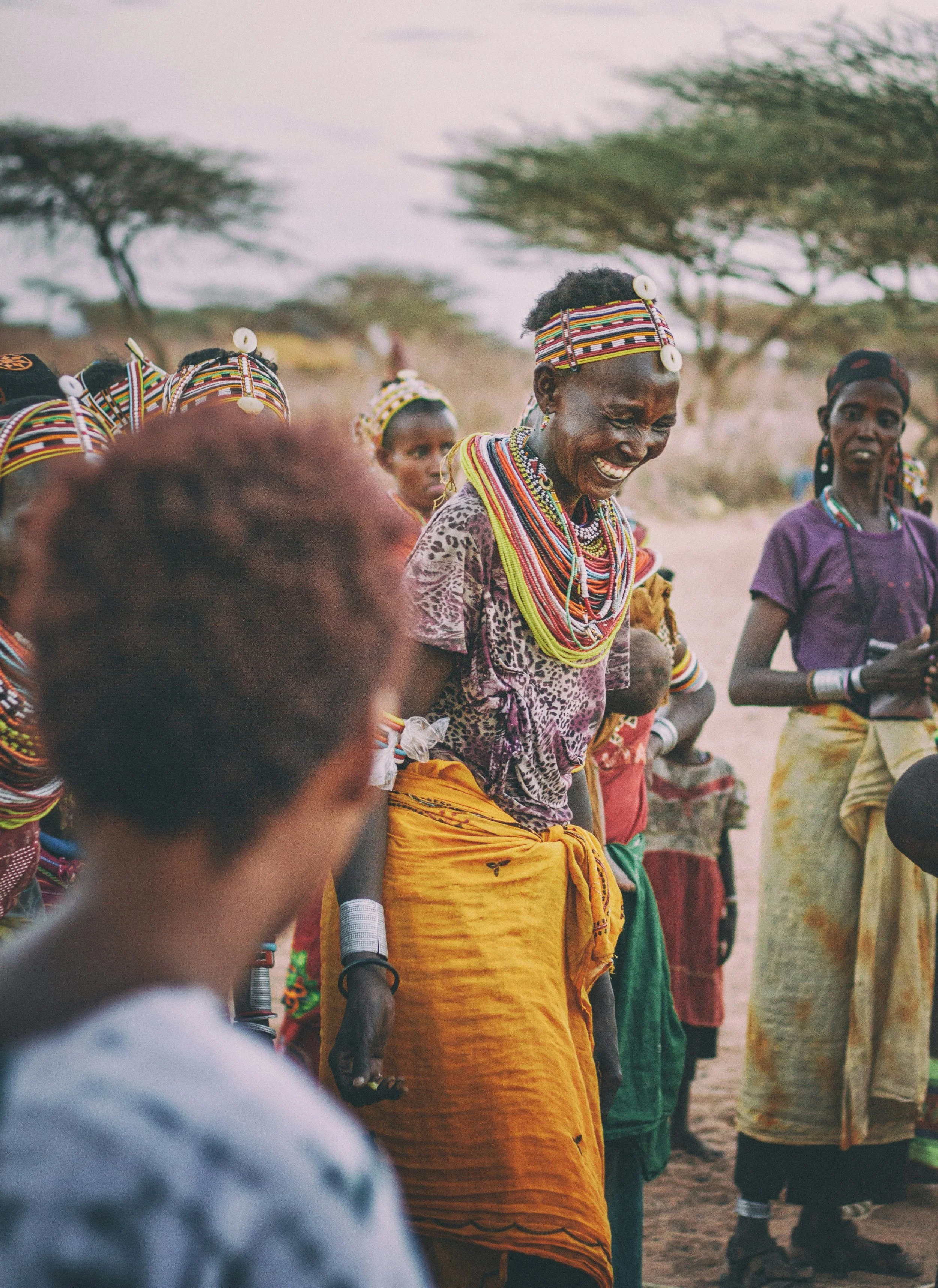
While these processes alone cannot resolve structural conflict drivers, they can create the necessary conditions for broader peacebuilding efforts to succeed. Conflict resolution and dialogue initiatives respond to eco-anxiety and environmental insecurity by reframing ecological crises as a shared, manageable challenge rather than an overwhelming, polarizing threat. These initiatives transform fear into collective action, restore trust in governance, and foster cooperation over scarce resources. By integrating climate action with peacebuilding, environmental stewardship is turned into a bridge for reconciliation in divided communities.
It is obvious that we cannot guard a farm or a herd with a gun if there is no water to sustain either. By weaving environmental consciousness into the fabric of our peace-talks, Nigeria moves beyond mere survival.
When we take responsibility for the climate, we are no longer just victims of a changing climate; we become the architects of a resilient peace, planting seeds of understanding in the very soil that once sowed our fears.
References
Asinwa, I.O., Kazeem-Ibrahim, F. and Akintan, C. (2022). 'Climate Change and Insecurity in Nigeria: Forestry to the Rescue', 8th Biennial Conference of the Forests & Forest Products Society.
Premium Times (2020). How Climate Change contributes to insecurity in Nigeria, other African countries. Available at:https://www.premiumtimesng.com/news/top-news/377470-how-climate-change-contributes-to-insecurity-in-nigeria-other-african-countries.html (Accessed: 23 January 2026).
Promise, U.C. (2025). Four ways to build peace and climate resilience together. UNDP Climate Promise. Available at:https://climatepromise.undp.org/news-and-stories/four-ways-build-peace-and-climate-resilience-together (Accessed: 25 February 2026).
Stromsta, R. (2024). Climate Change, Disasters, Insecurity, and Displacement: The Impact of Flooding on Youth Marginalization and Human Mobility in Nigeria. Environmental Migration Portal. Available at:https://environmentalmigration.iom.int/blogs/climate-change-disasters-insecurity-and-displacement-impact-flooding-youth-marginalization-and-human-mobility-nigeria (Accessed: 12 January 2026).
Suazo, A.E. (2015). Climate change, ecological restoration and conflict resolution. Peace Insight. Available at:https://www.peaceinsight.org/en/articles/climate-change-ecological-restoration-conflict-resolution/ (Accessed: 25 February 2026).
Wolter, S., Kosgei, D.C. and Cissouma, E. (2025). The Role of Dialogue and Consultation to Resolve Water-related Conflicts and Insecurity. Water Peace Security. Available at:https://waterpeacesecurity.org/files/587 (Accessed: 25 February 2026).
