Culture and Climate Change
Written By: Lalla Masondo
Edited By: Beatrice Bos
Woven into every blade of grass and particle of sand is a long-standing relationship between culture and the natural environment. This relationship can be found in practices built around the unique flora and fauna of the land or in myths and stories depicting ancestral sites that are still honoured today. The intersection between culture and climate has cultivated a deep reverence and connection to the environment, but with climate change, this connection is at risk of being severed. To preserve this relationship and the cultures that have stemmed from it, an understanding of how culture and climate intersect must be developed, but most importantly, we must learn what can be done when severance has begun.
How Culture and Climate Intertwine
Culture, as defined by Oxford Languages, refers to the ideas, customs, and social behaviours of a particular people or society. Such ideas, customs and social behaviours are often reflected in myth, folklore, traditional practices, and cultural cuisines, all having some tie to the environment on which they developed.
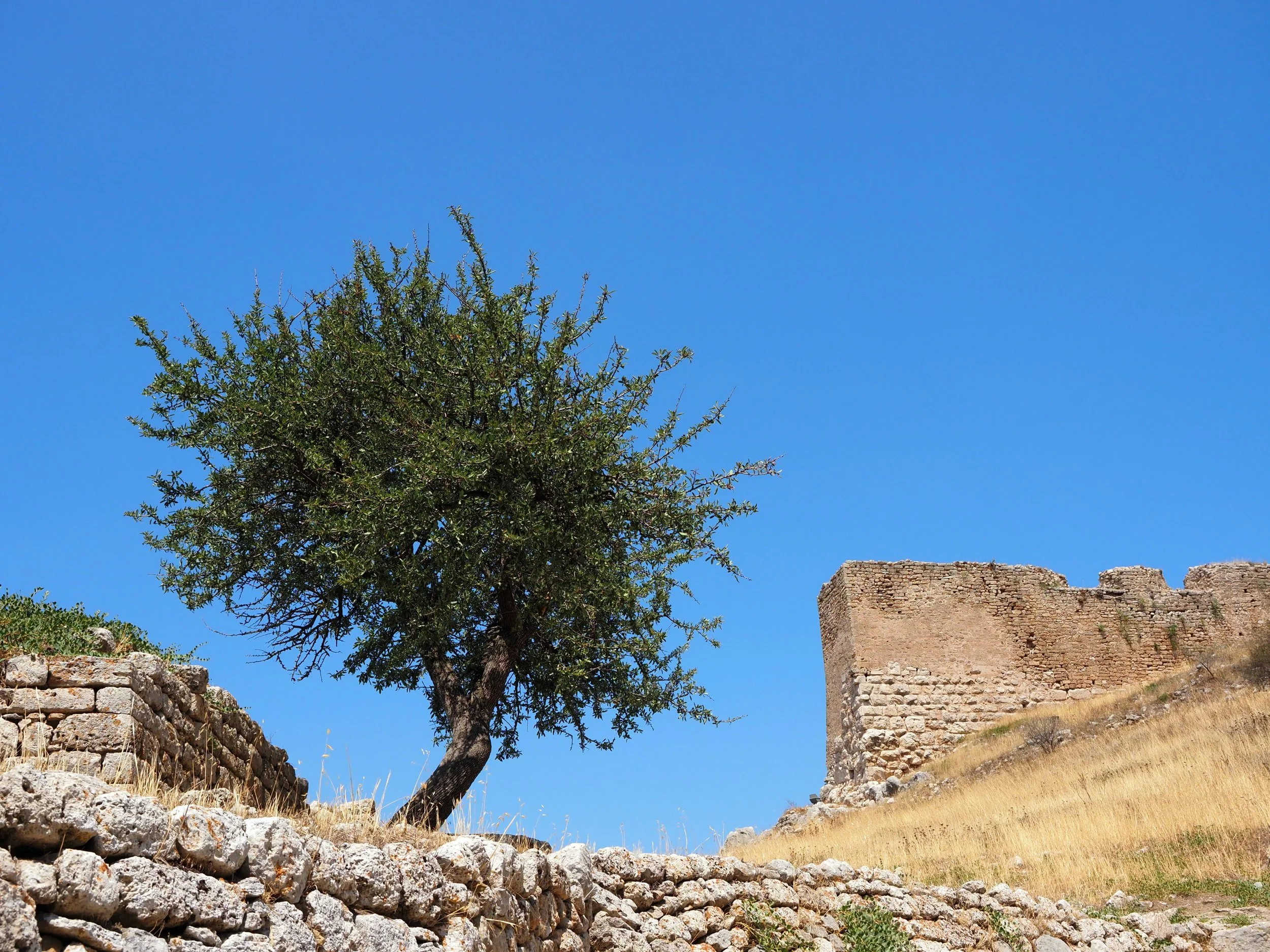
Let’s examine Greece, its mediterranean climate, acidic soils, and rocky mountainous land makes it difficult to grow common crops like wheat, but perfect for growing olive trees. Olives, in all its various forms, are a key component of traditional Greek cuisine, featured in almost every dish. In Greek myth, the birth of the first olive tree in the city of Athens is depicted, where the god Athena is in competition with Poseidon to give mankind the most valuable gift. Athen offered man an olive tree, and upon them choosing it, over Poseidon's strong horse, she blessed the people of Athens by making the plant medicinal. This is one of many myths depicting olives as a sacred gift from the gods. The cultural value of these trees is so vast that Greek athletes would anoint themselves with olive oil before a match, and the winners would be crowned with olive branches and gifted adorned oil ampoules (Grego, 2022) , Olive tree resin has represented a symbol of peace and prosperity for the people of Greece, and it still continues to do so today.
The nature of the country’s climate is what has allowed olive trees to thrive for centuries in the region, long enough to become a frequent motif in Greek culture. The intention of the above examination was primarily to gain an idea of how climatic conditions allow for a certain animal or plant species to thrive, and subsequently, shape a variety of cultural elements; this same pattern can be applied to many regions other than Greece.
As mentioned in the beginning, amidst a climate crisis, there emerges a risk of these profound connections between culture and the environment being sundered.
How Climatic Shifts Affect Cultural Heritage
“In these countries, where olive cultivation can be traced back thousands of years, the loss of olive groves is akin to losing a culture as well as vital income.” (Chouliaraki Milner, 2024).
A large portion of culturally sacred flora and fauna are adapted to a particular climate, when that climate shifts, these plant and animal species are subjected to unfavourable conditions, making growth and cultivation more challenging. This great decrease in these key elements of culture are, as said by Chouliaraki Milner, akin to losing the culture itself. Following on the example of Greece, let’s examine how climate change has impacted the culturally significant tree that is the olive tree.
Rapid temperature increases for prolonged periods of time, unpredictable weather patterns, droughts, and floods are a few of the challenges faced by olive tree cultivators in the Mediterranean. In 2023, the production of olive oil dropped by 41% across the Mediterranean due to intense heat waves (Chouliaraki Milner, 2024). Unlike other Mediterranean countries, small scale producers make up the majority of the olive sector in Greece. The cultivation of these crops is of both economic and cultural value, and a decline in production affects income and raises worry around the long history of olive tree cultivation. As of 2024, local farmers have faced droughts in 40% of Greece’s land, intense floods washing away land used for agriculture and wildfires that had turned 370,600 acres of land into ashes (Chouliaraki Milner, 2024). This isn’t simply a loss of trees, this is a loss of a key component in Greek cultural heritage, a loss of vital income for many communities, and a loss of connection to their history.
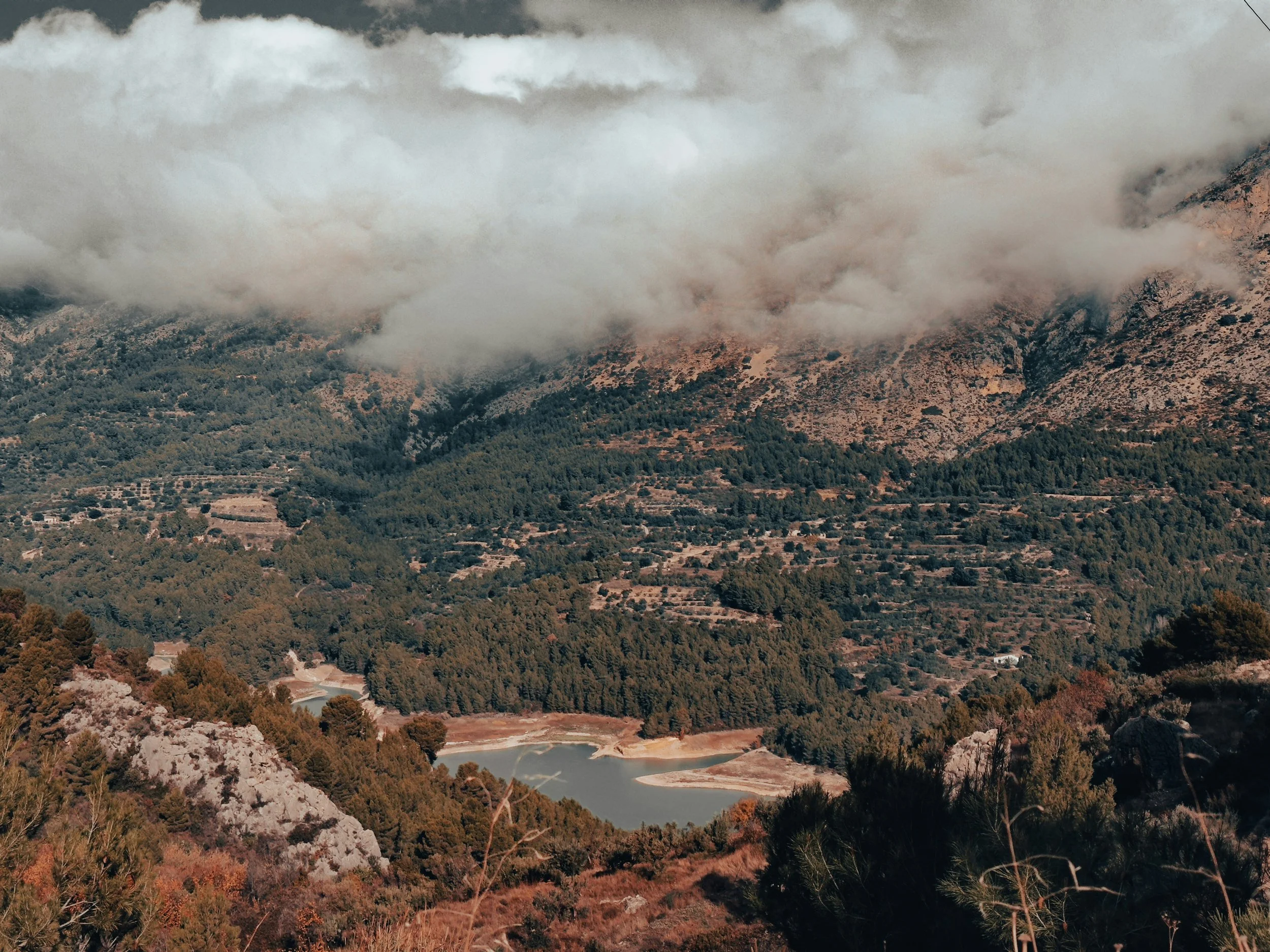
“These trees are living monuments of nature and they are living symbols of us – our histories, our families.” - Spyros Dafnis (Chouliaraki Milner, 2024).
The privation of cultural symbols due to floods or wildfires is not unique to Greece. Many communities across the globe have faced a similar loss and carry a similar weight.l: the weight of putting extra work into ensuring the survival of these sacred species. To alleviate communities of such pressure, actions that seek to uplift and protect cultural heritage are vital in preserving these sacred symbols of the land.
What Can be Done
A byproduct of the connection shared between culture and climate is a profound knowledge of the physical environment. The knowledge many cultivators of flora and fauna have about the most favourable conditions for that particular plant or animal species is vital when designing adaptation and mitigation strategies. This calls for an inclusion of cultural knowledge in decision making, ensuring that cultural integrity is preserved in these solutions. UNESCO stresses this in the following quote:
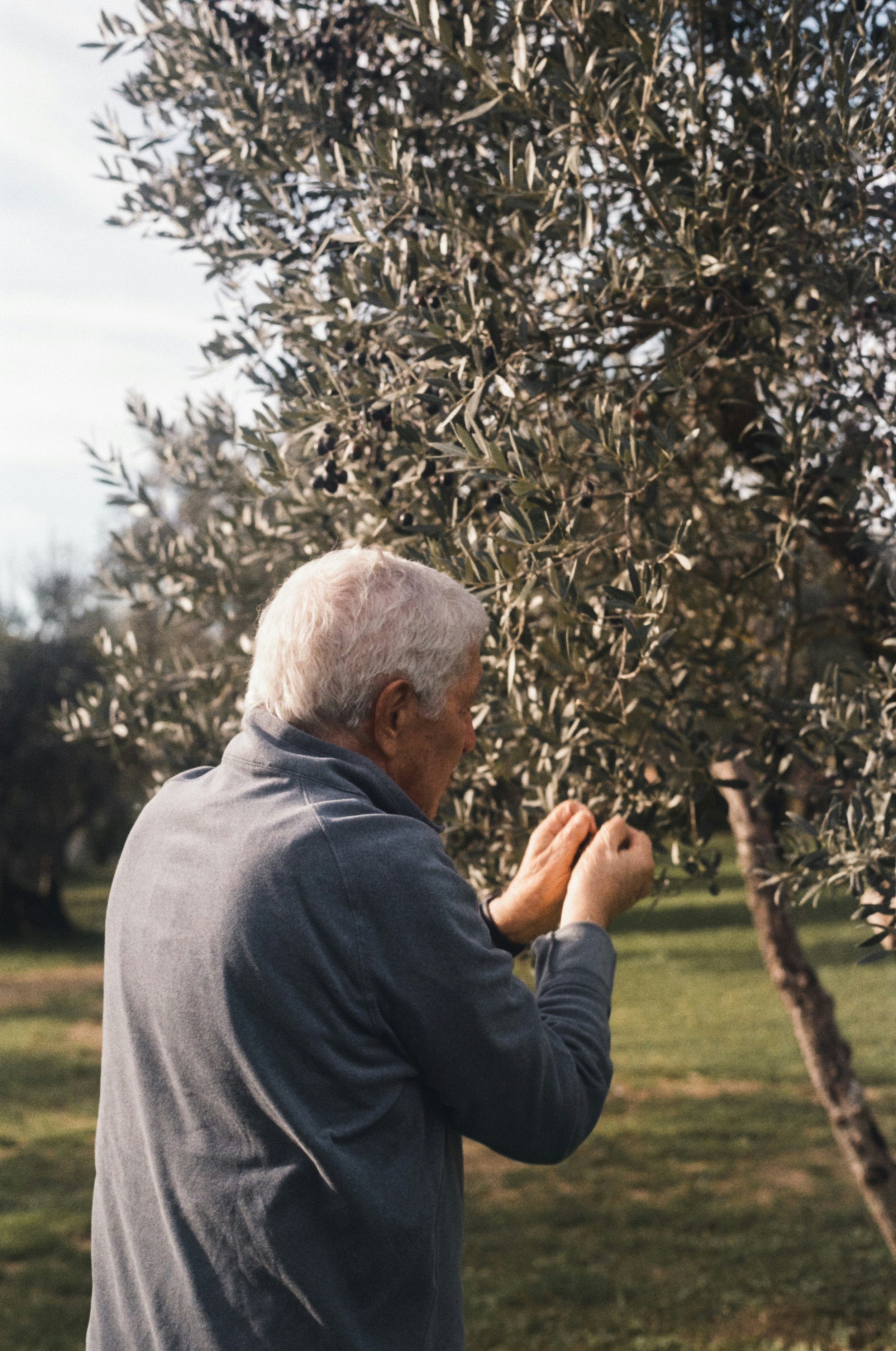
“By safeguarding heritage, elevating Indigenous and local knowledge, and supporting creativity and behavioural change, we advance climate action that is rooted in people, places and their shared histories.” (UNESCO, 2021)
Incorporating conversations of culture into climate action plans will ensure that no climate impact is ignored, the inclusion of cultural knowledge around the sustainable cultivation of sacred flora is vital in ensuring cultural integrity is not compromised when these strategies or action plans are implemented.
Our role is to advocate for locals to be heard and included in decisions that affect that which is most sacred to them, as it is them who have sustained various species of cultural significance for centuries, and it is them who will continue to do so. Climate is not just a threat to vegetation and resources, it is a threat to cultures.
Our Actions Go Far Beyond Us
The intersection between culture and climate reminds us that there is depth to our actions. We are not simply protecting resources, we are protecting practices and traditions that date back to antiquity. We are protecting something sacred, not only in its offering, but in its symbolism as well. In every blade of grass there is a vast history of community, connection, and culture. Together, may we preserve this sacred being, for many more years of culture to come.
References:
Chouliaraki Milner, D. (2024). Trees for the Ages: The Wisdom of Greece’s Olive Growers | Atmos. [online] Atmos. Available at: https://atmos.earth/ecological-wisdom/trees-for-the-ages-the-wisdom-of-greeces-olive-growers/.
Grego, S. (2022). The Olive Tree: A Symbol. [online] www.intechopen.com. IntechOpen. Available at: https://www.intechopen.com/chapters/81005.
Hane, J. (2025). Geographical Impact on Ancient Greek Culture | Rhodes Sites. [online] sites.rhodes.edu. Available at: https://sites.rhodes.edu/sackett/geographical-impact-on-ancient-greek-culture.
Team, F.I. (2016). Olive Trees. Myths & Stories. [online] Feast Italy. Available at: https://feastitaly.com/blogs/journal/olive-trees-myths-stories?srsltid=AfmBOorQS3-fbxzu7AlVvlE1JIRbCD5QfxiB0HKVsJWavnjBq9uJiS8p.
UNESCO (2021). Culture and Climate Change. [online] Unesco.org. Available at: https://www.unesco.org/en/climate-change/culture.
